Our Mission
Citizens for a Clean Cloverdale is a community-led organization dedicated to protecting public health, our environment, and the future of our town through responsible development and transparent government.
We believe that before land is approved for homes, schools, businesses, or public spaces, its environmental risks must be adequately investigated, disclosed, and addressed.
We advocate for independent scientific review, meaningful environmental analysis, public participation, and accountability in land-use decisions.
We are not opposed to development. We believe development should be safe, responsible, and supported by evidence—not simply assurances.
Our goal is a Cloverdale where the health and safety of current and future residents are fundamental to every development decision.
About:
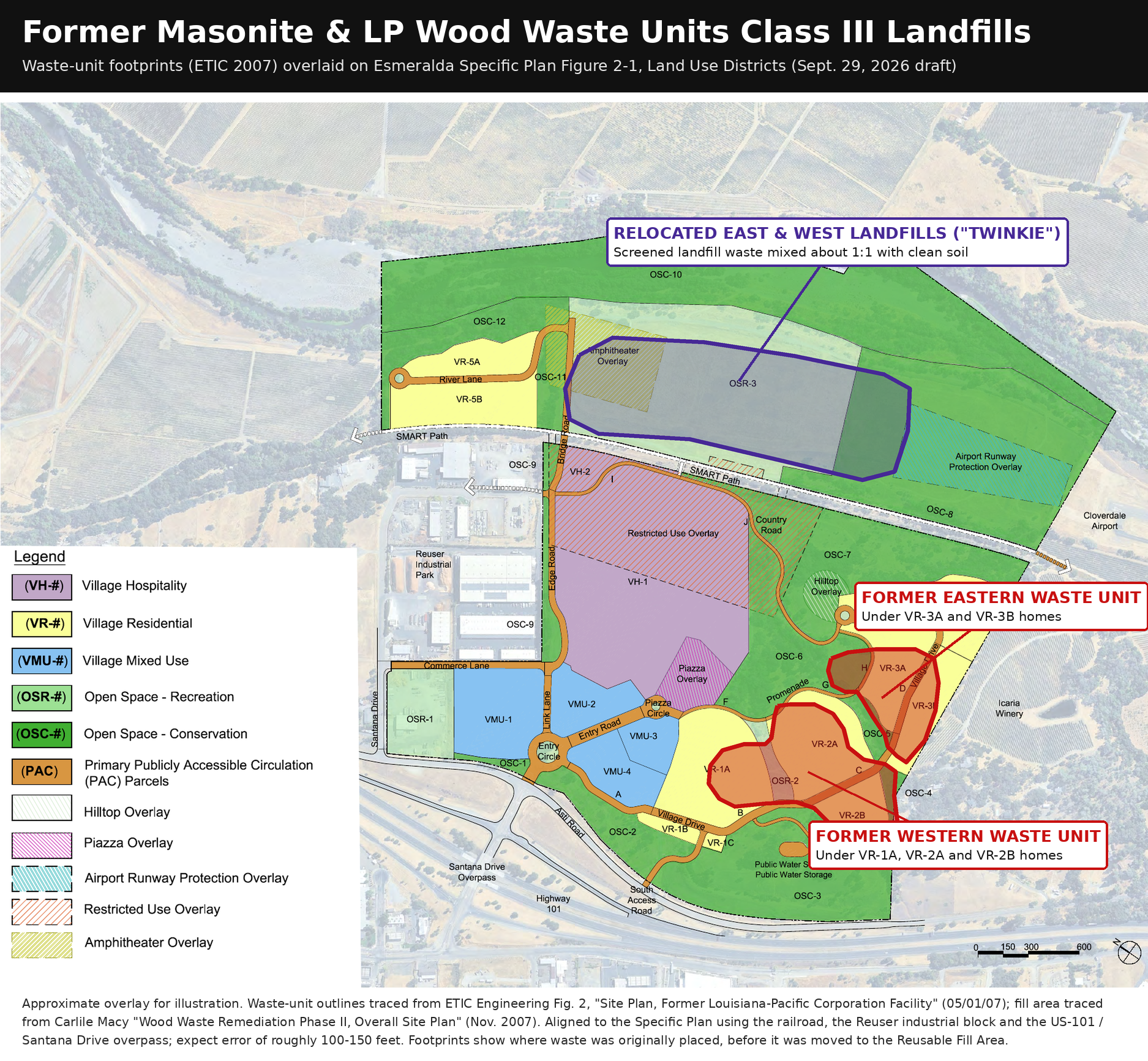
When I first heard about the Esmeralda project, in Nov/Dec 2025 I learned it would be built on the former Masonite property. I knew right away that meant homes on contaminated land.
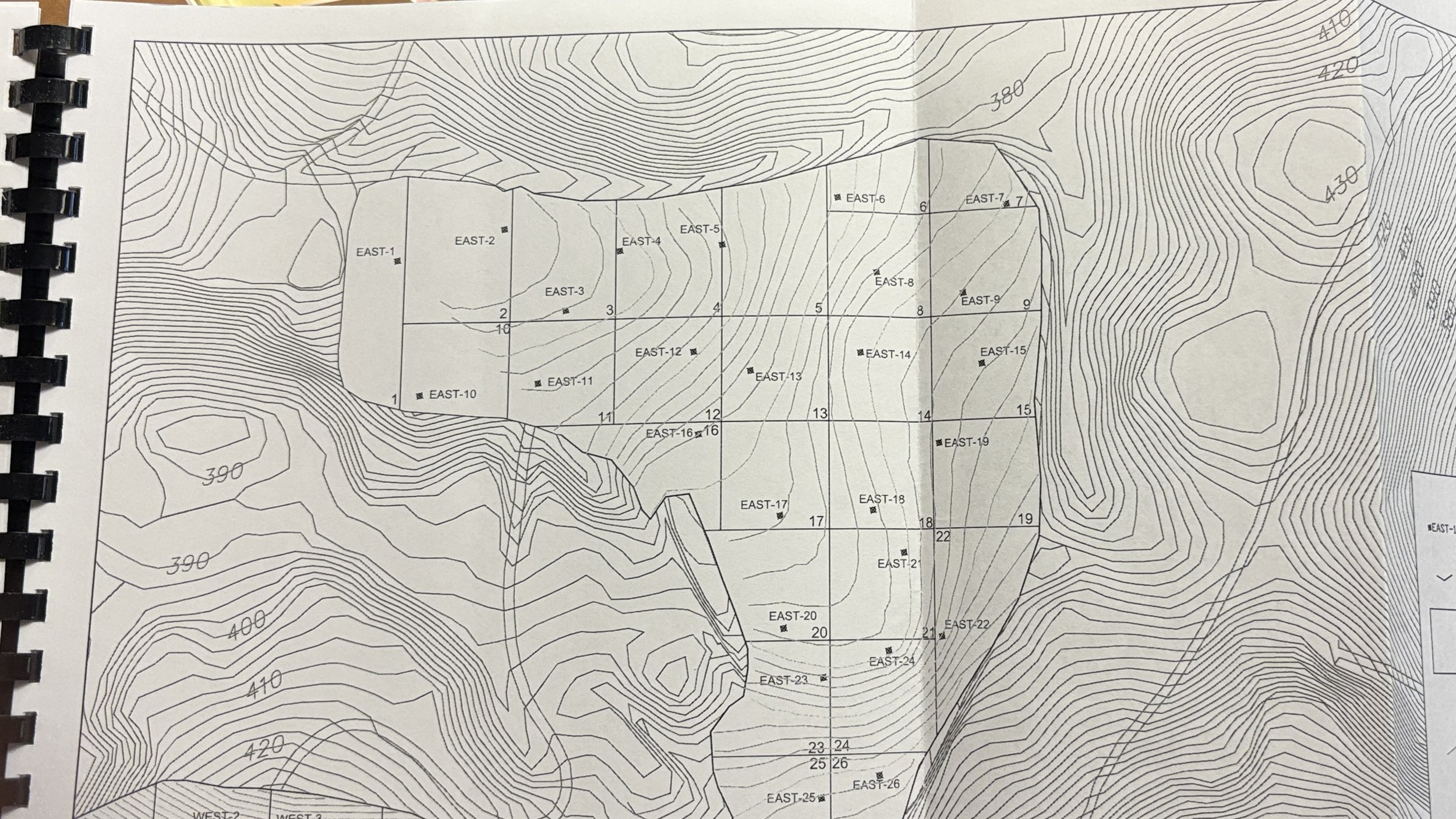
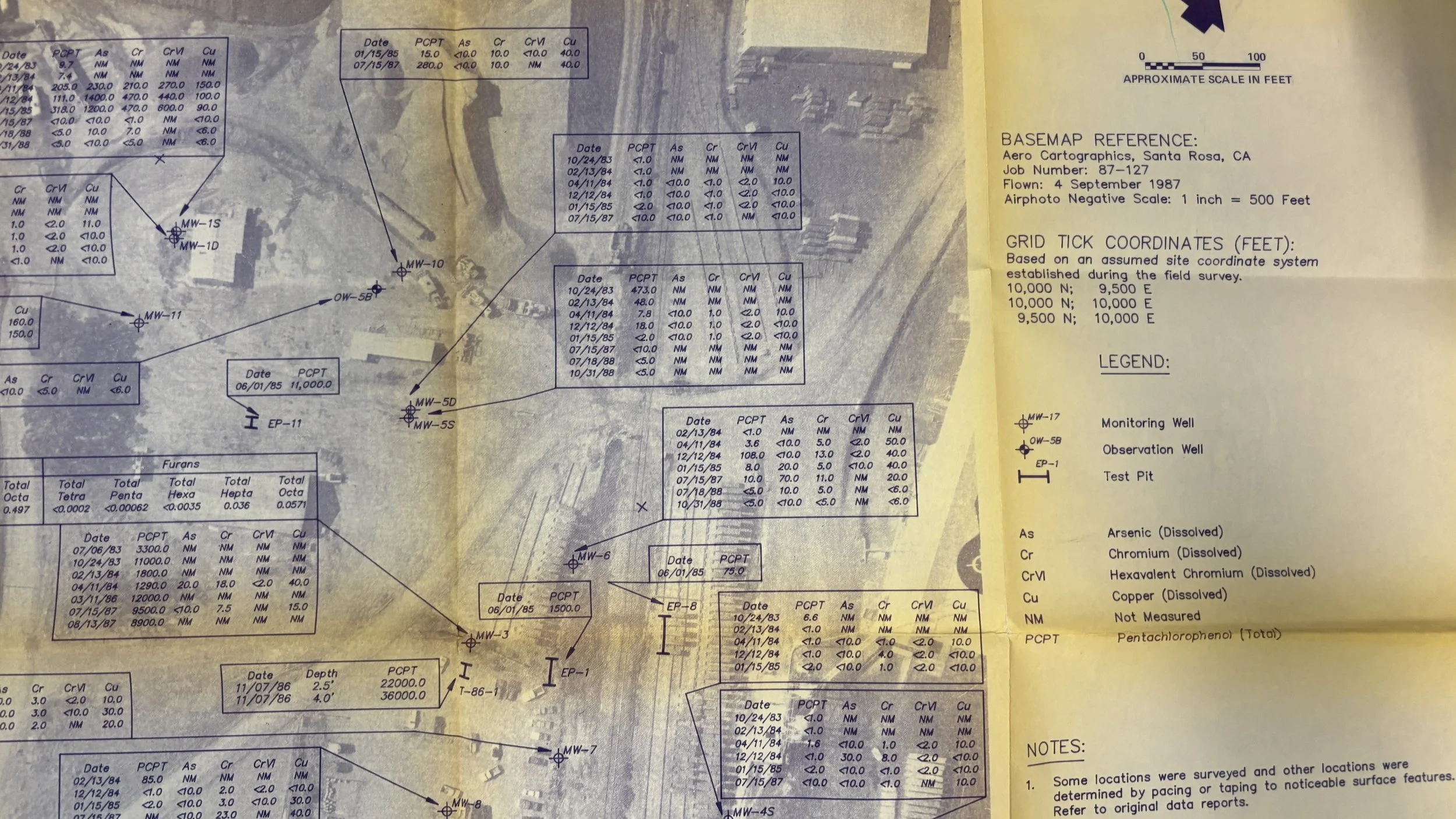
I hoped the property had been fully cleaned up. Instead, I learned what a Lad Use Covenant and deed restrictions are. A great deal of work has been done to remediate this site, but it still has not been comprehensively tested to show it is safe for people to live on.
So I started reading, and I haven't stopped. I learned how wood was treated here decades ago, with pentachlorophenol, a biocide designed to kill nearly any living thing that came in contact with the treated wood. I learned that dioxins and furans are unwanted byproducts of that process, and what a dense non-aqueous phase liquid (DNAPL) is. I learned the history of teepee burners, and how wood-waste landfills took their place when people demanded cleaner air. I'm still learning.
I have a B.A. in Geography from UC Berkeley, and I live in Cloverdale. In 2013, at 38, I was diagnosed with young-onset Parkinson's disease. There is no single known cause of Parkinson's, but research has linked environmental toxins to the disease. That is part of why this matters so much to me.
I don't believe in cutting corners, or in skipping necessary environmental review because it takes too long or costs too much. If a developer wants to build homes on a property that is still contaminated, they should be required to do what it takes to bring the site up to residential standards. It's that simple.
What inspires me
In Missoula, Montana, the old White Pine Sash mill was a lumber mill and wood-treating site that left contamination in the soil and groundwater. In 2014, the state proposed cleanup standards that would only allow commercial or light-industrial use. Neighbors pushed back and asked for residential standards, and the city council backed them. In 2016, the state ordered a residential-level cleanup. Today that land is becoming homes, a daycare, and a neighborhood.
That's the outcome I want for Cloverdale: do the necessary cleanup first, test for safety, and if safe, then build.